I don’t get it. Yes, Monsanto is a large company. So is Ford. Monsanto does not control the food system any more than Ford controls the automotive system.
My name is Norm Benson and I'm currently researching and writing a biography of Walter C. Lowdermilk.
In addition to being a writer, I'm an avid homebrewer.
I'm also a registered professional forester in California with thirty-five years of experience. My background includes forest management, fire fighting, law enforcement, teaching, and public information.
View more posts
14 thoughts on “OMG GMOs”
The problem I have with Monsanto is the way they defend their patents and force farmers to buy new seeds every year instead of reusing some of their crop as seed. They should have a legal way for farmers to do this, maybe give them a discount?… The current method of defending their profits–although it has been upheld by the supreme court as legal–seems evil and anti-progress to me. Aside from that, they’ve come up with pretty impressive genetic engineering.
Thanks for the comment, Wes. The best answer I’ve seen for that is from Brian Scott, a 4th generation farmer. He gives a good synopsis of Section 4 of Monsanto’s Technology/Stewardship Agreement when buying their seed:
In some ways, Monsanto’s Supreme Court case reminds me of Intellectual Property. Bowman knew what he was doing and didn’t want to pay for it. I think I’ve got some sources on the Bowman case too, if you’re interested. I was surprised that I sided with Monsanto after getting the facts.
Thanks for the link to my post, Timberati. Wes, it’d be great if you read the whole thing. You’ll find a link there to a PDF of a tech agreement I signed so anyone can read the full unaltered text for themselves. No one forces me to buy seeds every year. It’s a choice made by the farmer each season. I can try to start a coconut orchard here in Indiana this year if I want to, but I don’t think it will go over very well.
This is one of the better posts I’ve read in a while, and as a bonus it’s only four sentences long!
I did read your post. Good info. Do you have numbers for non-monsanto soybean prices to compare them directly? I searched on google but someone like you probably knows the difference off the top of your head–just curious, myself. And still, the practice of saving seed to plant is what farmers have done forever, right? To put it a different way (this is what bothers me), what if we were to genetically engineer some cows to grow on a farm better–should the IP for the cows be limited to first generation stock so you’d have to go buy new baby cows each year? Where does it stop with things that reproduce on their own?
I am not saying that Monsanto is pure as the driven snow, neither is Microsoft or Apple, but I buy their products.
Point taken, and I buy Monsanto GMO food also, I’m sure. The only thing I regularly buy “organic” is the milk that is specifically for the 2.5-year-old. Whether or not that is a good idea is up for debate.
What?? Apple isn’t pure as the driven snow?! *faux shock*
As long as the milk is Pasteurized it should be okay.
I don’t know the price of a non-GM soybean off the top off my head. Haven’t bought any for a while! They’d surely be cheaper, but soybeans aren’t terribly expensive anyway. As new multi-trait soybeans come to market we’ll see what prices the seed companies want. Soybeans breed true to themselves, but corn hybrids will not. The seed will be viable but you wouldn’t really know what you are getting. We have quite an array of soils on our farm, so we don’t end up growing the same varieties every year anyway. The IP question is a tough one for me too, and the other commentor is right. I think there is a perception that patents are only used for GMO. They are used for many crops and even roses because someone went to a great deal of time and effort to bring that product to market.
Your most welcome.
Brian, meet Wes. He’s a good guy and hosts this site. Should you ever need a webhost or computer work done, I recommend Wes highly.
Yes, farmers have saved seed in the past, however, for most crops, the seed was purchased each year from a dealer who worked for a larger seed company. That seed was hybrid, (this before GMO) and you wouldn’t want to save seed from it, as it wouldn’t ‘breed true’ the next year. Another way to look at it is to look at roses – new varieties are often patented and have been for as long as I can remember. You can buy the patented rose plant but you can NOT reproduce that rose from slips or cuttings legally. (only way you’d get it to be the same as the parent plant). They have little tags on them that state that very plainly. So what Monsanto and other seed companies do by patenting their seed is nothing new at all!
I support my local small seed company and for the home gardener that is fine- but I know the quality is not good enough for commercial growers. Sometimes there are surprises – they dont take as much care over breeding pure varieties, all part of the fun- but my livelihood does not depend on growing. Talk to any commercial grower, they will invest in the best quality and most reliable seeds they can get. Even hard-core back-to-the-landers dont save all their own seed- they are glad for the see trader when they need him/her. Saving quality seed is a specialist activity, many farmers just dont have the time and facilities to do so. It is a shame that most anti-GMO-ers seem to know nothing about what is involved in plant breeding, viz the comment “it’s produced in a lab, it’s not natural”, as if before GMOs all our food crops were wild plants! I recommend Hybrid by Noel Kingsbury which puts all of this in perspective and shows how the crops we rely on today are the result of centuries of hard-won knowledge, slowly unlocking the secrets of genetics. GE is just the latest part of this fascinating story.
skeptico, you said it well. I was married to a commercial grain farmer & custom harvester for over 20 years and buying seed was serious business. One of our neighbors had a seed cleaning business and was also a dealer for a larger company so we patronized him as often as possible. Saving seed on a commercial scale is not something most farmers are set up to do, as it must be cleaned (as much weed and other crop seed removed as possible) and that requires special machinery. When we did save seed (some small grains) we took it to the neighbor to be cleaned. I wish more people could have the opportunity to actually know some farmers and understand what they do instead of having to read about it and try to decide what’s right and wrong. Most of us who made our living and supported our families from farming love our land and do the best we can to care for it so we can pass it on to the next generation. We are proud of our profession (I am still a farmer, just not a grain farmer anymore) and do it because we love it, not to get rich! Thanks for letting me pass on my opinions!

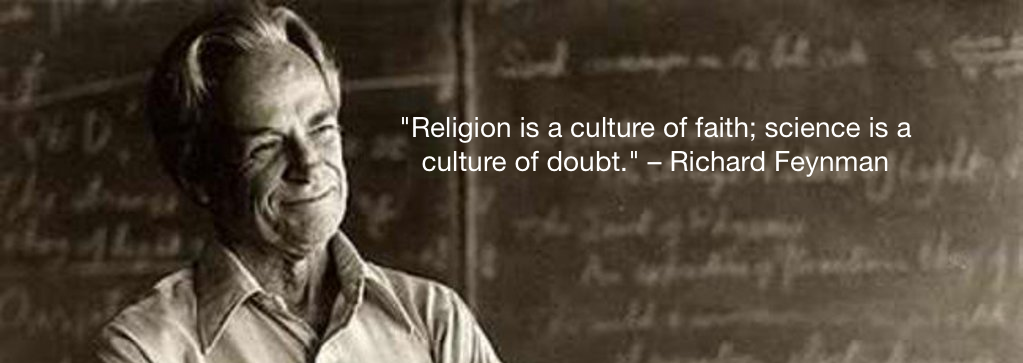

 Nullius in Verba
The problem I have with Monsanto is the way they defend their patents and force farmers to buy new seeds every year instead of reusing some of their crop as seed. They should have a legal way for farmers to do this, maybe give them a discount?… The current method of defending their profits–although it has been upheld by the supreme court as legal–seems evil and anti-progress to me. Aside from that, they’ve come up with pretty impressive genetic engineering.
Thanks for the comment, Wes. The best answer I’ve seen for that is from Brian Scott, a 4th generation farmer. He gives a good synopsis of Section 4 of Monsanto’s Technology/Stewardship Agreement when buying their seed:
http://thefarmerslife.com/biotechnology/i-occupy-our-food-supply-everyday/
Trust me, it will be worth your time to read.
In some ways, Monsanto’s Supreme Court case reminds me of Intellectual Property. Bowman knew what he was doing and didn’t want to pay for it. I think I’ve got some sources on the Bowman case too, if you’re interested. I was surprised that I sided with Monsanto after getting the facts.
Thanks for the link to my post, Timberati. Wes, it’d be great if you read the whole thing. You’ll find a link there to a PDF of a tech agreement I signed so anyone can read the full unaltered text for themselves. No one forces me to buy seeds every year. It’s a choice made by the farmer each season. I can try to start a coconut orchard here in Indiana this year if I want to, but I don’t think it will go over very well.
This is one of the better posts I’ve read in a while, and as a bonus it’s only four sentences long!
I did read your post. Good info. Do you have numbers for non-monsanto soybean prices to compare them directly? I searched on google but someone like you probably knows the difference off the top of your head–just curious, myself. And still, the practice of saving seed to plant is what farmers have done forever, right? To put it a different way (this is what bothers me), what if we were to genetically engineer some cows to grow on a farm better–should the IP for the cows be limited to first generation stock so you’d have to go buy new baby cows each year? Where does it stop with things that reproduce on their own?
For the saved seed question, I am pretty sure I felt much the way you do. IP is not simple. One of the best posts I read on Bowman and the saved seeds was by Dr. Cami Ryan (http://doccamiryan.wordpress.com/2013/02/22/interest-groups-turn-supreme-court-case-into-save-the-seeds-myth/) and another of Brian’s posts, with the comments bringing clarity to (me at least) on what Bowman was doing (http://thefarmerslife.com/biotechnology/quick-thoughts-on-vernon-hugh-bowman-v-monsanto-company/). There is also a good discussion there of Monsanto suing “innocent” farmers.
I am not saying that Monsanto is pure as the driven snow, neither is Microsoft or Apple, but I buy their products.
Point taken, and I buy Monsanto GMO food also, I’m sure. The only thing I regularly buy “organic” is the milk that is specifically for the 2.5-year-old. Whether or not that is a good idea is up for debate.
What?? Apple isn’t pure as the driven snow?! *faux shock*
As long as the milk is Pasteurized it should be okay.
I don’t know the price of a non-GM soybean off the top off my head. Haven’t bought any for a while! They’d surely be cheaper, but soybeans aren’t terribly expensive anyway. As new multi-trait soybeans come to market we’ll see what prices the seed companies want. Soybeans breed true to themselves, but corn hybrids will not. The seed will be viable but you wouldn’t really know what you are getting. We have quite an array of soils on our farm, so we don’t end up growing the same varieties every year anyway. The IP question is a tough one for me too, and the other commentor is right. I think there is a perception that patents are only used for GMO. They are used for many crops and even roses because someone went to a great deal of time and effort to bring that product to market.
Your most welcome.
Brian, meet Wes. He’s a good guy and hosts this site. Should you ever need a webhost or computer work done, I recommend Wes highly.
Yes, farmers have saved seed in the past, however, for most crops, the seed was purchased each year from a dealer who worked for a larger seed company. That seed was hybrid, (this before GMO) and you wouldn’t want to save seed from it, as it wouldn’t ‘breed true’ the next year. Another way to look at it is to look at roses – new varieties are often patented and have been for as long as I can remember. You can buy the patented rose plant but you can NOT reproduce that rose from slips or cuttings legally. (only way you’d get it to be the same as the parent plant). They have little tags on them that state that very plainly. So what Monsanto and other seed companies do by patenting their seed is nothing new at all!
I support my local small seed company and for the home gardener that is fine- but I know the quality is not good enough for commercial growers. Sometimes there are surprises – they dont take as much care over breeding pure varieties, all part of the fun- but my livelihood does not depend on growing. Talk to any commercial grower, they will invest in the best quality and most reliable seeds they can get. Even hard-core back-to-the-landers dont save all their own seed- they are glad for the see trader when they need him/her. Saving quality seed is a specialist activity, many farmers just dont have the time and facilities to do so. It is a shame that most anti-GMO-ers seem to know nothing about what is involved in plant breeding, viz the comment “it’s produced in a lab, it’s not natural”, as if before GMOs all our food crops were wild plants! I recommend Hybrid by Noel Kingsbury which puts all of this in perspective and shows how the crops we rely on today are the result of centuries of hard-won knowledge, slowly unlocking the secrets of genetics. GE is just the latest part of this fascinating story.
Here’s the Amazon.com link for Hybrid: The History and Science of Plant Breeding by Noel Kingsbury (Oct 15, 2009)
Not to be confused with Hybrid – Forced Vengeance by Greg Ballan (Jul 1, 2011), though it does get 4.5 stars on Amazon (28 votes).
skeptico, you said it well. I was married to a commercial grain farmer & custom harvester for over 20 years and buying seed was serious business. One of our neighbors had a seed cleaning business and was also a dealer for a larger company so we patronized him as often as possible. Saving seed on a commercial scale is not something most farmers are set up to do, as it must be cleaned (as much weed and other crop seed removed as possible) and that requires special machinery. When we did save seed (some small grains) we took it to the neighbor to be cleaned. I wish more people could have the opportunity to actually know some farmers and understand what they do instead of having to read about it and try to decide what’s right and wrong. Most of us who made our living and supported our families from farming love our land and do the best we can to care for it so we can pass it on to the next generation. We are proud of our profession (I am still a farmer, just not a grain farmer anymore) and do it because we love it, not to get rich! Thanks for letting me pass on my opinions!
Thanks for your comment Stephanie; it helps me remember there are real people farming. Drop by anytime.