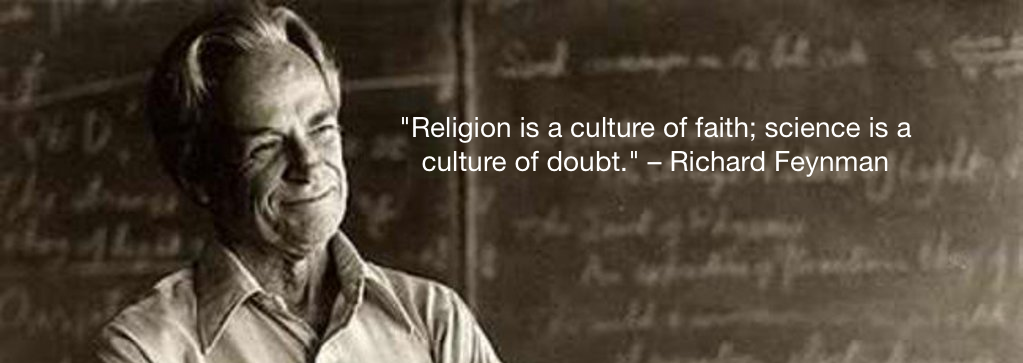
Here is today’s Green Chain column for the Lake County Record-Bee. “When the facts change, I change my mind. What do you do, sir?” – John Maynard Keynes. It appears we are witnessing the crumbling of the green movement, as we know it. Dr. James Lovelock, who postulated the ‘Gaia hypothesis’ of earth operatingContinue reading “Green Games”
Category Archives: environment
This Earth Day, stop thinking as an environmentalist and start thinking as an economist.
“In the beginning the Universe was created. This made a lot of people very angry and has been widely regarded as a bad move.” ~ Douglas Adams April 22 is Earth Day, and you know what that means. That’s right, the 43rd running of the Eco-catastrophists and Neo-Malthusians! Why, according to the Earth Day Network,Continue reading “This Earth Day, stop thinking as an environmentalist and start thinking as an economist.”
Weekend Postcard: vineyard in the Alexander Valley
This is another picture of a vineyard in the Alexander Valley, just east of Healdsburg, in Sonoma County of California. Agriculture is amazing. Long ago, we humans domesticated (formerly) wild plants and animals for our purposes, and changing what they do radically in the process. This scene looks peaceful, bucolic, and natural. Well, two outContinue reading “Weekend Postcard: vineyard in the Alexander Valley”
Writer, Travis a PhD candidate in Meat Science, says that 1,500,000 additional cattle will need to be raised to meet the shortfall due to the closure of these BPI plants.
The Green BS-ometer Checklist: 5 red flags to watch for
My latest Green Chain column for the Lake County Record-Bee: Do you think that what commercials want to sell you and people promoting a “green” lifestyle are miles apart? They are not as far apart as you might think. Commercials sell a fantasy world; the message is usually: “If you buy this, you will beContinue reading “The Green BS-ometer Checklist: 5 red flags to watch for”
Weekend Postcard: Our Big Blue Marble
The National Aeronautics and Space Administration (NASA) says this, “‘Blue Marble’ image of the Earth” was “taken from the VIIRS instrument aboard NASA’s most recently launched Earth-observing satellite – Suomi NPP. This composite image uses a number of swaths of the Earth’s surface taken on January 4, 2012″and released January 25, 2012. Related articles SecondContinue reading “Weekend Postcard: Our Big Blue Marble”
‘Sustainable’ projected to remain ‘robust’
This XKCD cartoon by Randall Munroe lampoons the notion of extrapolating anything far into the future. Buzzwords gain momentum, but then fall out of favor. Buzzwords, from my memory, that have had their place in the sun include: relevant, viable, resonate, robust. Let me utilize a Gaussian distribution curve to illustrate. Any others?
Discussing “Working Landscapes, Working Waterscapes”
I attended a panel discussion at the California Historical Society, January 18, 2012 about appropriate land uses on public land. It was titled Working Landscapes, Working Waterscapes. Its purpose was to explore how we might “build a consensus” and perhaps “change the ways we think about and manage cultural and working landscapes within parks, naturalContinue reading “Discussing “Working Landscapes, Working Waterscapes””
Dr. Whatsforlunch or How I Learned to Stop Worrying and Love Chemicals
Some rationally optimistic thoughts from Matt Ridley are in this video. Consider this: when we compare the farm yields of the 1960s to the yields at the end of the 1990s, we find that conventional (aka intensive) farming has, in effect, saved 44% of earth’s land from going under the plow.
New Forests Company announces suspension of tree planting in Uganda
British New Forests Company (NFC) has announced that it has suspended tree planting in Uganda for 2012. The company says that will “result in 560 job losses in the Mubende, Kiboga, Kyankwanzi and Bugiri districts.” The decision to suspend planting and lay off workers follows the outcry caused by an Oxfam report released September 2011Continue reading “New Forests Company announces suspension of tree planting in Uganda”
 Nullius in Verba