Micro- and nanoplastics, found in the plaque within our arteries, are born from the ubiquitous presence of plastics in our environment. They are raising eyebrows and heart rates among scientists and physicians, courtesy of a groundbreaking study in the New England Journal of Medicine (NEJM).
This is how Chuck Dinerstein, MD, MBA at the American Council of Science and Health begins a very balanced view of the state of knowledge of what we know and what we don’t know plastics being found in our arteries. It is well worth your time to read the article.
There can be little doubt that our air, food, and water are contaminated with MNPs [micro and nanoplastics] and can be inhaled or ingested. There have been many studies of these particulates in “model organisms,” such as rodents and fish. MNPs might cause harm….But the key word is might; we simply do not know, as current researchers point out.
Of course, findings such as this has not stopped politicians and environmentalists from jumping to conclusions on how to address and fix what they are sure needs to be addressed and fixed by fiat and force.
Have no fear that California is anxious to be the first to leverage any possible moral panic into full blown regulations. California Senate Bill No. 1422 (2018) requires the State Water Board to:
(1) adopt a standard methodology to be used in the testing of drinking water for microplastics; (2) adopt requirements for four (4) years of testing and reporting of microplastics in drinking water, including public disclosure of those results; (3) consider issuing a notification level or other guidance to aid consumer interpretation of results; and (4) accredit qualified California laboratories to analyze microplastics.
You might think that California lawmakers are just being proactive…that they want to be on the forefront if MNPs (micro and nanoplastics) are indeed hazardous…that they are applying the precautionary principle to plastic pollution. You might think that.
Let’s assume that MNPs accumulate in our arteries, and that they do the same in other species. Let’s assume that plastics are a problem in the oceans, lakes, and streams, and that various forms of plastics kill non-target species by various means. These are not great leaps of imagination to assume that plastics can cause problems.
That said. Are plastics a net positive or a net negative?
I will be submitting a letter to California’s State Water Resources Control Board, since the “workshop” went way beyond time and it began to look like I would not get to speak until midnight, if at all.
My name is Norm Benson. I am a retired Cal-Fire forester, and until our water plant was purchased by a larger private company, I was the water master for the Crescent Bay Improvement Company’s water plant which served 24 connections. I am also a libertarian who prefers recommendations to regulations.
There is an adage: if something cannot go on forever it will stop.[1] The state legislature, not content with allowing the problem to be addressed by people and their water providers and wait for the increased storage passed by voters in 2014,[2] over time, yelled “We have to do something about our phony baloney jobs, gentlemen (and gentlewomen)! CLIMATE CHANGE!!!!” So, in 2018, they passed Assembly Bill (AB) 1668 and Senate Bill (SB) 606 which directed the California State Water Resources Control Board (State Water Board or Board) to adopt standards for urban retail water suppliers (suppliers) for the efficient use of water and performance measures for commercial, industrial, and institutional (CII) water use.
WE’VE GOT TO PROTECT OUR PHONY-BALONEY JOBS!
Thus it is that we have, as a result of a five year effort by the Water Board, a draft regulation to Force Conservation to be a Way of Life.
Every regulation is a demand that someone do what he doesn’t want to do, refrain from doing what he does want to do, or pay for something he doesn’t want to pay for, and those demands are backed up by agents with guns.[3] The California State Water Board’s proposed regulation for “Making Conservation a California Way of Life” is no different. Chairman’s Joaquin Esquivel’s protestations notwithstanding, the velvet glove still covers the state’s iron fist.
Mandates are not magic bullets. Mandates get enforced with real bullets.
At its core, government is force. If California’s policymakers want to regulate society toward their vision of perfection, they are going to need ramp up government force. During my career with Cal-Fire, I enforced the state’s forest and fire laws. I can tell you firsthand, every enforcement action is a confrontation. And confrontations do not always end well. The more rules on the books, the more enforcement agents will interact with people who don’t share the vision of the regulator, and who resent constant harassment. This is especially true for a regulation that will cost twice the sum of its benefit.[4]
This proposed regulation is a very very very bad idea indeed. This regulation hits the trifecta for bad.
It will make water providers to Californians and visitors do something they do not want to do: more red tape, reporting to a regulatory agency, and acting as a surrogate enforcer for the state to comply with this regulation.
It will make Californians and visitors refrain from doing something they want to do, like laundry or bathing.
Both water users and water providers will be paying in money, time, and frustration to meet a standard that applies to only 10% of California’s water use. The remaining 90% goes to agriculture and fish.
Both my wife and I have allowed our water operator’s license lapse, since our water company has been bought by a larger private water company. I was the only paid employee, and I was part-time employee paid less than a fast-food worker. If our company were not purchased, and this regulation were to go into effect, we and our water company would give up and turn the task of providing water over to the state.
Some rules are obviously necessary. Everyone agreeing to drive on the right side of the road, for instance, is a sensible check on chaos of complete liberty to drive on the left, the right, or down the middle. The goal of government therefore is to provide just enough rules to allow the maximum amount of liberty with the minimum of chaos. Yet we now have too many rules that get frequently changed. This will, as James Madison wrote, “poison the blessings of liberty itself.[5]”
The presentations, given at the October 4, 2023 workshop, show that conservation takes lots of time, money, and communication. They are telling you that the point of diminishing returns has been hit. The low hanging fruit has been picked. The presentations also show that to meet the proposed regulations will require extensive and expensive work. Technical work that is expensive and hard to come by. It will undoubtedly hit disadvantaged communities hardest. For those who point to Los Angeles or other large metropolitan areas, let me say that finding licensed engineers to take one technical specialty to meet this board’s regulation is not just difficult, it is impossible where I live.
I will end by quoting from a 2012-piece Senator George McGovern wrote in the Wall Street Journal, he notes that ultimately consumers pay the higher prices for the increased operating costs that accompany public regulation and government reporting requirements with reams of red tape.
“[C]onsumers do have a choice when faced with higher prices. You may have to stay in a hotel while on vacation, but you can stay fewer days. You can eat in restaurants fewer times per month or forgo a number of services from car washes to shoeshines. Every such decision eventually results in job losses for someone. And often these are the people without the skills to help themselves — the people I’ve spent a lifetime trying to help….
“The problem we face as legislators is: Where do we set the bar so that it is not too high to clear? I don’t have the answer. I do know that we need to start raising these questions more often.”
I believe the bar has been set much too high. I hope the Water Board will reconsider this regulation which will disrupt the lives of visitors and the citizens of California while providing very little to zero benefit to them.
[2] In November 2014, California voters passed Proposition 1, the Water Quality, Supply, and Infrastructure Improvement Act, which authorized $7.5 billion in general obligation bonds to fund ecosystems and watershed protection and restoration, water supply infrastructure projects, including surface and groundwater storage, and drinking water protection.
Proposition 1 included $2.7 billion for investments in water storage projects, which is being administered by the California Water Commission through the Water Storage Investment Program (WSIP). The WSIP funds projects that provide public benefits, such as ecosystem improvement, flood control, and recreation.
As of October 2023, the WSIP has committed funding to eight projects that will collectively boost California’s water storage capacity by 2.77 million acre-feet. These projects are currently in various stages of development, and some are expected to be completed within the next few years.
[5] “The internal effects of a mutable policy are still more calamitous. It poisons the blessings of liberty itself. It will be of little avail to the people that the laws are made by men of their own choice, if the laws be so voluminous that they cannot be read, or so incoherent that they cannot be understood; if they be repealed or revised before they are promulgated, or undergo such incessant changes that no man who knows what the law is today can guess what it will be to-morrow. Law is defined to be a rule of action; but how can that be a rule, which is little known and less fixed?” – excerpt from James Madison, Federalist Paper #62, 1788
Dear members of the California Water Resources Control Board,
Everything I ever needed to know about rules, I learned in kindergarten: don’t hurt other people and don’t take stuff that doesn’t belong to you. Based on these simple principles, I want to convince you that your proposed conservation law, which will be another thorn in the regulatory thicket, is a bad idea. It addresses a 5 percent drop of California’s water usage and ignores the other 95 percent. It will neither make a significant dent in overall water consumption, nor cause Californians to respect the rule of law.
In 1788, James Madison wrote in Federalist Paper #62, “The internal effects of a mutable policy are still more calamitous. It poisons the blessings of liberty itself. It will be of little avail to the people that the laws are made by men of their own choice, if the laws be so voluminous that they cannot be read, or so incoherent that they cannot be understood; if they be repealed or revised before they are promulgated, or undergo such incessant changes that no man who knows what the law is to-day can guess what it will be to-morrow. Law is defined to be a rule of action; but how can that be a rule, which is little known and less fixed?”
Some rules are obviously necessary. Everyone agreeing to drive on the right side of the road, for instance, is a sensible check on chaos of complete liberty to drive on the left, the right, or down the middle. The goal of government therefore is to provide just enough rules to allow the maximum amount of liberty with the minimum of chaos. Yet, too many rules that get frequently changed, “poisons the blessings of liberty itself.”
Mandates are not magic bullets. Mandates are enforced with real bullets.
At its core, government is force. It presumes its use of force is for the welfare of the citizens it serves. Yet, if California’s policymakers want to regulate society toward their vision of perfection, they are going to need enforcers. And the more regulatory requirements placed on the populace the more it needs enforcers to make sure these laws are met. And every enforcement action is a confrontation. And confrontations do not always end well. The more rules, the more enforcement agents will interact with people who don’t share that vision, and who resent the constant enforcement attempts.
As an example of a well-intentioned government regulation turning deadly consider this: The state of New York had a significant sin tax on cigarette packs as a health measure to lower smoking. The city of New York levied an additional tax, making an unpopular law even more so. It was so unpopular that more than half of cigarettes sold in New York were smuggled from neighboring states. Flagrantly disobeying a law that was, obviously, for the people’s own good, upset New York city officials. They sent out officers to send a message that this behavior would not be tolerated. Officers were assigned to track down shipments of smuggled cigarettes and often small-time street vendors, many of whom live on the edge of poverty. Small time vendors serving poor customers: these are people who need to be creative to make it through a day.[1] On July 17, 2014, a shop owner reported that a black man known for selling single cigarettes was near his store. Police then went to investigate. They stopped the man on a sidewalk on Staten Island and he told them, “Please just leave me alone.” This response was not the one Officer Daniel Pantaleo wanted to hear and he put Eric Garner into an illegal chokehold and murdered him for a health code violation.
I will end by quoting from a 2012 piece Senator George McGovern wrote in the Wall Street Journal, “’Can we make consumers pay the higher prices for the increased operating costs that accompany public regulation and government reporting requirements with reams of red tape.’ It is a simple concern that is nonetheless often ignored by legislators…..
“[C]onsumers do have a choice when faced with higher prices. You may have to stay in a hotel while on vacation, but you can stay fewer days. You can eat in restaurants fewer times per month or forgo a number of services from car washes to shoeshines. Every such decision eventually results in job losses for someone. And often these are the people without the skills to help themselves — the people I’ve spent a lifetime trying to help….
“The problem we face as legislators is: Where do we set the bar so that it is not too high to clear? I don’t have the answer. I do know that we need to start raising these questions more often.”
I am raising this question because I believe the Water Board does not consider it often enough. I hope the Water Board will reconsider this regulation which will disrupt the lives of the citizens of California while providing very little to zero benefit to them. If the Water Board passes this mandate, it will hurt other people by poisoning their liberty and taking their stuff.
[1] “US adults with low socioeconomic status generally have high prevalence of cigarette smoking in relationship to various sociodemographic characteristics, irrespective of sex.” Garrett BE, Martell BN, Caraballo RS, King BA. Socioeconomic Differences in Cigarette Smoking Among Sociodemographic Groups. Prev Chronic Dis 2019;16:180553. DOI: http://dx.doi.org/10.5888/pcd16.180553external icon
In a Los Angeles Times article in early September came this non-sequitur of a sentence, “The proposed regulation, dubbed “Making Conservation a California Way of Life,” would establish tailored goals for each urban retail water supplier in the state, providing them with more flexibility to account for local conditions, according to the State Water Resources Control Board.”
Regulations remove choice; they do not provide flexibility. Every regulation is a demand for someone to do something the person does not want to do, a demand not do the thing the person does want to do, or a demand to pay for something the person does not want to pay for, and each demand is backed up by agents with guns.
Every regulation is a demand for someone to do something the person does not want to do, a demand not do the thing the person does want to do, or a demand to pay for something the person does not want to pay for, and each demand is backed up by agents with guns.
According to the State Water Resource’s Control Board, “Making Conservation a California Way of Life is a new regulatory framework proposed by State Water Board staff that establishes individualized efficiency goals for each Urban Retail Water Supplier. These goals are based on the unique characteristics of the supplier’s service area and give suppliers the flexibility to implement locally appropriate solutions. Once implemented, these goals are expected to reduce urban water use by more than 400-thousand-acre feet by 2030, helping California adapt to the water supply impacts brought on by climate change.” If you read on further, they tell you “Urban Retail Water Suppliers are publicly and privately run agencies that deliver water to 95% of Californians.” So basically, everyone who pays a water bill will be affected.
“Once implemented, these goals are expected to reduce urban water use by more than 400-thousand-acre feet by 2030.”*
While the “more than 400-thousand-acre feet1” sounds impressive, it is merely a drop in the river. California’s urban water usage, according to the Public Policy Institute of California “On average, communities use 10%, agriculture uses 40% of water statewide, and the environment uses 50%.”2 That’s right, 90% goes to agriculture or the ocean, in essence. “The proportions vary depending on the region and whether the year is wet or dry.” Community (or “Urban Retail Water Supplier” in Water Board speak) water use is 7.44-8.24 million-acre feet per year, this is between 8 and 12 percent of water usage in the state.
If urban use is 7.44-8.24 million-acre feet per year and we only need to cut use by 400-thousand-acre feet,what’s the big deal? The big deal is we have hit the point of diminishing returns. The easy to do things have been done. In fact, now more efficiency in one realm means less efficiency or more waste in another.
And they keep ratcheting down the cuts. As the LA Times article observes, “In 2035, 18% of urban water users would live in areas required to reduce by 30% or more. By that time, suppliers serving more than half of urban water users would need to cut back by at least 10%. Suppliers could face fines of up to $1,000 a day for failing to meet targets, or as much as $10,000 a day during drought emergencies, according to the board.”
If you wish to tell the Water Board what you think of this idea, you can email them at commentletters@waterboards.ca.gov. Put “Comment Letter—Proposed Making Conservation a California Way of Life Regulation” in the subject line to facilitate timely identification and review of the comment.
One acre foot is one foot of water that would cover one acre. It is 325,851.4 US gallons ↩︎
1) The public assumes your regulations are based in science, not supposition.[1]
2) I believe regulations must be a last resort and fashioned using facts, not fables.[2]
a) Erin Brockovich is a Hollywood movie, a fable, not a factual documentary. [3]
i) Masry & Vittitoe’s law clerk, Erin Brockovich sued the sockets off PG&E via the Texas Sharpshooter Fallacy.[4]
(a) By sheer chance, people with specific diseases can be found clustered near one another.[5]
3) Chromium-6 is a natural substance; it can be found in rocks, volcanic dust, and soil.[6]
a) This means it will be found naturally in water and the food we eat.[7]
4) Your white paper asserts that ingesting chromium-6 at a Maximum Contaminant Level of 10 parts per billion is so toxic at that level that the associated cancer risk is 1 in 2,000.[8]
5) Chromium-6 is equivalent in its reference dose[9] (RfD) with a natural insecticide.
(1) Every substance no matter how benign, has a level at which it is toxic; and every substance no matter how toxic, has a level at which it is benign.[12]
c) Since caffeine is like chromium-6 in its toxicity, what does the proposed MCL look like if applied to a beverage, like Coca-Cola?
i) A toddler would be allowed 1/50th of a milliliter (1/3 drop) of Coca-Cola per day.[13]
(1) Any more than that would exceed the proposed MCL of 10 parts per billion.
d) Under the current federal MCL of 100 ppb: 1/5th ml (3 drops) of Coca-Cola is allowed per day.[14]
i) Lo siento, but I have a hard time swallowing an assertion that 4 drops of Coca-Cola per day will damage a toddler! [15][16][17][18]
(1) Rather than assert, you should be able to show that your current 50 ppb MCL has produced benefits above the federal standard of 100 ppb such as fewer deaths and lowered cancer rates.[19][20]
iii) 3. Make more public water systems provide drinking water in plastic bottles that meet the federal standard for chromium 6.[24]
7) This proposed regulation is based on virtue-signaling politics, not science[25].
8) The federal law is bad. This proposed law is a magnitude worse.[26]
I thank the Water Board for taking my statement.
[1] For example, when chromium 6 exceeded the Maximum Contaminant Levels in the Coachella Valley Unified School District: High levels of chromium 6 shown in school’s well water “We have take [sic] action right away it inched up from 10 parts-per-billion (ppb) to 13 parts-per-billion,” said Dr. Darryl Adams, superintendent for the Coachella Valley Unified School District. http://www.kesq.com/news/high-levels-of-chromium-6-shown-in-schools-well-water/38795706 Remember, the toxicity of chromium-6 is much the same as the toxicity of caffeine. The amount of a caffeinated Coke (~ same as chromium-6 toxicity in Mg/Kg/Day) allowable at the 10 ppb MCL is about 2/3 of a drop. To say that one drop of Coca-Cola per day does harm is a result of moral panic politics, not science.
[2] I am dubious of their claims that they use science. “The progressives combined their extravagant faith in science and the state with an outsized confidence in their own expertise as a reliable, even necessary, guide to the public good. They were so sure of their own expertise as a necessary guide to the public good, so convinced of the righteousness of their crusade to redeem America, that they rarely considered the unintended consequences of ambitious but untried reforms. Even more so, they failed to confront the reality that the experts—no less than the partisans, bosses, and industrialists they aimed to unseat—could have interests and biases of their own.” — Illiberal Reformers: Race, Eugenics, and American Economics in the Progressive Era by Thomas C. Leonard
[3] “Scientific consensus does not believe Chromium-VI causes cancer after ingestion exposure from food or drinking water. On the other hand, inhalation of high levels of Chromium-VI can cause lung cancer, as demonstrated in occupational studies.” The Corruption of Chromium, https://www.acsh.org/news/2023/04/25/corruption-chromium-17014
[4] A form of confirmation bias where certain patterns or data are accepted but others are ignored. The name comes from a joke about a Texan who shoots at the side of a barn, then paints a around the tightest cluster of hits and claims to be a sharpshooter.
[7] “In long-term balance studies, Tipton has analyzed diets and excreta for 17 elements. His subjects were consuming three times as much chromium as was present in a hospital diet and much more than normal.
“Variations in average daily intake, however, are wide, from 5 μg well into the hundreds of micrograms. Foods vary considerably in chromium content. The largest sources are meats, mollusks and crustaceans, vegetables, and unrefined sugar. In general, fish, vegetable oils, and fruit have been reported to contain smaller amounts of chromium…” Chromium. National Academy of Sciences.
[9] . “The final RfD [reference dose for caffeine] would be 0.0025 mg/kg-day, a very small dose in the same range as RfDs for known toxicants such as hexavalent chromium and potassium cyanide.” Sorell TL. Approaches to the Development of Human Health Toxicity Values for Active Pharmaceutical Ingredients in the Environment. AAPS J. 2016 Jan;18(1):92-101. doi: 10.1208/s12248-015-9818-5. Epub 2015 Sep 3. PMID: 26338232; PMCID: PMC4706294.
[10] Sorell TL. Approaches to the Development of Human Health Toxicity Values for Active Pharmaceutical Ingredients in the Environment. AAPS J. 2016 Jan;18(1):92-101. doi: 10.1208/s12248-015-9818-5. Epub 2015 Sep 3. PMID: 26338232; PMCID: PMC4706294. https://www.ncbi.nlm.nih.gov/pmc/articles/PMC4706294/
[11] The reason we don’t hear of people overdosing on caffeine from coffee is that it is excreted it before one can overdose on it. If one were to not excrete, one still would not die from the caffeine but rather from water intoxication. See: Jennifer Strange autopsy.
[12] e.g., water intoxication or water poisoning: hyponatremia, lower than normal concentration of sodium in the extracellular space. It is essentially drowning cells.
In early 2007, Jennifer Strange, a 28-year-old mother of 3, was found dead in her suburban Rancho Cordova home. After taking part in the “Hold Your Wee for a Wii” contest in which radio station KDND 107.9 promised a Nintendo Wii video game system to the person who could drink the most water without urinating, after a few hours of downing 8 ounces of water every 15 minutes she complained of dizziness and a headache. She soon gave up and vomited in the restroom. The coroner’s autopsy determined that Ms. Strange had died from water intoxication after drinking nearly two gallons of water. Consumption of too much water disrupts the body’s salt balance, (known as hyponatremia, which causes cells to swell. This ultimately causes the brain to swell, resulting in seizures, respiratory distress, and then very likely death.
[13] Assuming my assumptions are correct, (feel free to check my math) a 10 ppb for a 10 kg child would be the same as the reference dose of 0.0025 mg/kg-day. 12 oz of Coca Cola has 35 mg of caffeine.
[14] “[T]he RfD process [on which the EPA bases its MCL] is still very conservative and results in doses that may be many times below actual levels of concern. Conservatism is useful in screening and for ensuring protectiveness, but can present a challenge in risk management. In some cases, conservatively derived concentrations may be overprotective, resulting concentrations that are difficult or expensive to detect analytically, cannot be environmentally achieved, are based on intakes well below typical or voluntary exposures, or are otherwise unreasonably low.” Sorell TL. Approaches to the Development of Human Health Toxicity Values for Active Pharmaceutical Ingredients in the Environment. AAPS J. 2016 Jan;18(1):92-101. doi: 10.1208/s12248-015-9818-5. Epub 2015 Sep 3. PMID: 26338232; PMCID: PMC4706294. https://www.ncbi.nlm.nih.gov/pmc/articles/PMC4706294/
[15] or water with chromium-6 which has the same toxicity.
[16] “[T]he whole aim of practical politics is to keep the populace alarmed (and hence clamorous to be led to safety) by an endless series of hobgoblins, most of them imaginary.” – H. L. Mencken
[17] Given the equal toxicity of chromium and caffeine, an adult (weighing about 8-10 times more than a toddler) ordering a Starbucks “grande” (16 oz) would be allowed to drink 0.02 milliliters (1/3 drop) from the cup per day at the proposed MCL for chromium-6.
[18] One Starbucks medium roast grande and your dead! A Starbucks 12 oz (“tall”) Pike Place (medium roast) has about 235 mg of caffeine, e.g., similar in toxicity to 235 mg of chromium-6. There are journal articles indicating stomach cancer is less prevalent in non-caffeine (and no alcohol) drinking Mormons when compared to the U.S. population. Cancer Incidence in Mormons and Non-Mormons in Utah, 1966–1970 https://www.nejm.org/doi/full/10.1056/NEJM197601152940303 Lyon, J.L., Gardner, K. & Gress, R.E. Cancer incidence among Mormons and non-Mormons in Utah (United States) 1971–85. Cancer Causes Control 5, 149–156 (1994). https://doi.org/10.1007/BF01830261 Classics in oncology: Cancer incidence in Mormons and non-Mormons in Utah, 1966-1970 https://doi.org/10.3322/canjclin.33.5.309
[19] The Hexavalent Chromium MCL Economic Feasibility Analysis mentions “cancer” 7 times. At no time does it put any number on cases or deaths averted due to the Board’s MCL. What it does say and then proceeds to not prove, “[T]he MCL set by the State Water Board will be through a policy decision that considers traditional concepts such as treatment costs and number of cancer cases averted, as well as the costs and benefits of the regulation…”
[20] Meanwhile, according to the American Cancer Society in 2023, “In the US, the number of new cases of stomach cancer has been dropping by about 1.5% each year over the last 10 years.” In part “due to a decreasing prevalence of Helicobacter pylori infection associated with improved hygiene and overall improvements in diet and food storage practices.”
[21] “The post-liberal temptation is to believe that government power can be a substitute for the hard labor of institution building and cultural change. It isn’t. The solution must begin at home—on the front porch, around the kitchen table, and in the mirror. The law is not a magic wand. There are no magic wands, and there is no shortcut to the good society.’ Slade, S. Is There a Future for Fusionism? https://reason.com/2021/02/10/is-there-a-future-for-fusionism/
[22] “Every government law, or regulation is a demand that someone do what he doesn’t want to do, refrain from doing what he does want to do, or pay for something he doesn’t want to pay for, and those demands are backed up by police with guns.” – Harry Browne
[23] If a water provider produces water that is not in compliance, it has broken the law: this is a criminal act.
[24] “Coyote Valley Elementary School is continuing to distribute bottled water to students and staff more than a week after administrators told students not to drink tap water due to contamination concerns.” http://www.record-bee.com/article/NQ/20160322/NEWS/160329992
[25] “Science is an open-ended, decentralized, self–regulating, competitive public process for legitimizing belief. The process allows no higher appeal than that of each to each; there is always another hypothesis; another test of the assumptions of the belief.” Jonathan Rauch, Kindly Inquisitors: The New Attacks on Free Thought, pg 57
[26] The public will believe that 1/100,000,000,000 of a gram of CR(VI) will harm them if the water tests at 11ppm and not 10ppm. See: http://www.record-bee.com/article/NQ/20160322/NEWS/160329992 This is not how toxicology works. A reference dose is magnitudes lower than the lowest observed adverse effect level (LOAEL). There is a huge margin of safety.
“The reference dose (RfD) is an adaptation of the ADI used by the US EPA and serves as the principal risk assessment toxicity tool for evaluating toxic effects other than cancer and mutagenicity. The uncertainty factors (UFs) used by the US EPA in developing RfDs are 10-fold to extrapolate from a lowest observed adverse effect level (LOAEL) to a NOAEL; 10-fold to extrapolate from animal to human data, 10-fold to extrapolate from subchronic to chronic results; and 10-fold to protect sensitive human populations (26). The RfD approach also provides for an additional modifying factor (MF) in addition to uncertainty factors to address the identified uncertainties and deficiencies in ADIs, such as failure to consider the shape of the dose-response curve, selection of the appropriate adverse endpoint, and the strength of the underlying study, particularly the number of exposed individuals. The US EPA also provides a confidence (high, medium, or low) the evaluators have in the RfD and its likelihood to prevail in the future (26). Despite a more rigorous review of the data compared to the ADI, the RfD process is still very conservative and results in doses that may be many times below actual levels of concern. Conservatism is useful in screening and for ensuring protectiveness, but can present a challenge in risk management. In some cases, conservatively derived concentrations may be overprotective, resulting concentrations that are difficult or expensive to detect analytically, cannot be environmentally achieved, are based on intakes well below typical or voluntary exposures, or are otherwise unreasonably low.” Source: Sorell, Tamara L, Approaches to the Development of Human Health Toxicity Values for Active Pharmaceutical Ingredients in the Environment
Yes, the State Water Resources Control Board has “proposed emergency adoption of section 996, subdivision (b), prohibits the irrigation, with potable water, of non-functional turf in the commercial, industrial, and institutional sectors statewide…” I, of course, thinks this is a gloriously dumb idea and told them so. Here is my letter to them.
May 21, 2023
Courtney Tyler Clerk to the Board State Water Resources Control Board PO Box 100 Sacramento, CA 95812-0100
Comment Letter – Emergency Regulation to Ban Decorative Grass Watering Dear Chairman Esquivel and State Water Board members, I hope this letter finds you well. I am writing to express my strong opposition to the proposed emergency regulation that aims to ban the watering of commercial lawns. While I understand the need to conserve water resources, I believe that this measure is potentially dangerous, unnecessary, a regulatory faux pas given the current water conditions and historical data; and, as such it erodes respect for our rule of law and our criminal justice system. Please, allow me to elaborate on these points.
The commercial watering ban is potentially dangerous: As you are aware, every law, regulation, and ordinance, is a command to stop doing something the person wants to do, or to make a person do something the person does not want to do; and these commands are backed up by people with guns. In this case, it is telling commercial landowners that they may not use water, legally purchased, for lawn care. The potential for heated tempers and escalation, or simply mistaken actions can, and has, led to fatal encounters with law enforcement. Black Lives Matter began as a response to fatal police encounters for minor offenses. Stephen L. Carter, a professor at Yale Law School wrote, “On the opening day of law school, I always counsel my first-year students never to support a law they are not willing to kill to enforce …. I remind them that the police go armed to enforce the will of the state, and if you resist, they might kill you.”
A regulatory faux pas: The proposed ban is being presented as a regulation to address an immediate emergency. “The State Water Board finds that an emergency exists due to drought conditions and that adoption of the proposed emergency regulation is necessary to address the emergency.” However, as of May 17, 2023, the state’s snowpack stands at 150 percent of normal, and reservoirs are at 105 percent capacity. Additionally, Tulare Lake, which has not experienced flooding since 1938, is currently flooded. These facts clearly indicate that we are not facing an immediate emergency in terms of water scarcity. Certainly, it appears to the average person as histrionic, and haste does not appear warranted given the current conditions. Therefore, hurriedly implementing such a drastic measure as a commercial lawn watering ban seems disproportionate, unjustified, and frankly silly.
It can erode respect for our rule of law and our criminal justice system: While a ban may feel like an accomplishment it is corrosive to the rule of law. By banning an act that had previously been legal and making that once legal act punishable by the state, you make honest individuals into criminals overnight. There are antecedents that give me pause, such as The Great Experiment: Prohibition. Of Prohibition, preacher Billy Sunday said, “The reign of tears is over. The slums will soon be only a memory. We will turn our prisons into factories and our jails into storehouses and corncribs. Men will walk upright now, women will smile, and the children will laugh. Hell will be forever for rent.” Bans, history shows, impose immense economic and social costs, yet they don’t achieve their policy aims, all the while fostering violence, corruption, and black markets along the way–other than that, bans work perfectly. This ban appears to be merely performative, without significant impact on overall water conservation efforts. It seems silly and ham handed. The data show that in dry years, urban (domestic and commercial) water usage accounts for 11 percent of the available water usage, equivalent to 6.73 million acre-feet (MAF). Even in wet years, when water availability increases, urban usage remains relatively low at 8 percent (8.32 MAF). What data are you relying on that shows that commercial lawn watering is a huge waste of water, and that this regulation will make any kind of dent in overall water consumption? On May 20, the San Francisco Chronicle questioned proposed hikes of water rates, “All that rain and snow captured in California’s reservoirs this year means plenty of water to go around. But it isn’t doing anything to reduce your household water bill.” Given this backdrop of an emergency not being obvious, if I were a commercial owner, I would simply put a “Watered with Recycled Water” sign on the lawn and keep watering. The sign is even factually correct. All water on earth has been recycled. Our Bill of Rights proscribes the government’s depriving life, liberty, and property without due process, and taking property without just compensation. While this watering ban may not be classed as a taking, there is ample case law to argue pro or con, it is certainly immoral, in that a property right an owner had before will be removed retroactively, if the Water Board thinks it is a good idea. Let’s assume for argument’s sake, watering of commercial lawns represents half of overall water consumption, the savings of all water in California would 4 to 5.5 percent, leaving more than 90 percent of water untouched. Obviously, the percentage is much, much smaller. Implementing a ban on lawn watering without addressing other major sources of water consumption (environmental and agricultural) seems arbitrary and ineffective, and frankly, mean spirited.
Summary: The United States were founded on the Enlightenment ideal of pluralism where people holding differing beliefs, creeds, ideologies, aesthetics, etc., would coexist peacefully. Telling people how to run their businesses down to how they might use a product they purchased legally is anti-pluralistic. I understand the temptation to believe that government power can be a substitute for the hard labor of cultural change. It isn’t. The change begins with discussion—on the front porch, around the kitchen table, and in the mirror. The law is not a magic wand. There are no magic wands. There is only the hard work of suasion. Instead of imposing a sweeping ban on lawn watering, I urge you to consider alternative strategies that can achieve meaningful water conservation while respecting the needs and rights of individuals. For instance, promoting education campaigns to raise awareness about water-efficient irrigation methods, encouraging the use of drought-resistant plants, and providing incentives for homeowners to install water-saving technologies are all viable options.
In conclusion, I respectfully request you to reconsider the proposed emergency regulation banning the watering of commercial and industrial lawns. The current water conditions, coupled with the relatively minor impact on overall water usage, make such a ban counterproductive. Let us focus our efforts on comprehensive, long-term solutions that address all sectors of water consumption while promoting responsible water stewardship.Thank you for your attention to this matter. I trust that you will take my concerns into consideration, and I remain available for any further discussion or clarification.
Jeanine Townsend Clerk to the Board State Water Resources Control Board PO Box 100 Sacramento, CA 95812-0100
Re: Comment Letter – Hexavalent Chromium Workshop
Dear Ms. Townsend:
As a contract water treatment operator for Crescent Bay Improvement Company, I submit the following brief comments and response to the White Paper On Economic Feasibility Analysis In Consideration of a Hexavalent Chromium MCL (“the White Paper”), released for public comment by the State Water Resources Control Board in February 2020 and presented in public workshops in April 2022.
Executive Summary
The State Water Resources Control Board’s White Paper Discussion On: Economic Feasibility Analysis of a Hexavalent Chromium MCL does not do what the title claims. It is deficient in its analysis of economic feasibility and dismissive of costs to the consumers, who are purportedly to be the beneficiaries of a new and more stringent Maximum Contaminant Level (MCL) for chromium-6 (i.e., hexavalent chromium or CRVI). The White Paper takes a bold stand by using, in essence, the opposite of a progressive tax system. In a progressive system, the richest pay more in taxes than the poor. The White Paper’s approach is to have the poorest pay the most. The White Paper uses a weighted average to whitewash the costs. What level of Dante’s hell is it where a few people will have crushing weights put on them and the majority will be burdened with feathers?
Also missing is any attempt to quantify any benefit of the new MCL, other than to say the Water Board will be able to tout their new MCL is closer to the Office of Environmental Health Hazard Assessment’s Public Health Goal as required in statute. Previous White Papers produced by the Division of Drinking Water have noted the number of cancer cases they expect to avoid at different MCLs. The 2020 White Paper provides no enumerated benefits at all, much less at the different possible MCLs.
To be fair, the authors of the White Paper were handed a fool’s errand. They were to justify the cost of something with an infinitesimal or zero benefit. Consider this: one drop of cola is more than 250 times above the safe level for caffeine. This safe level is known as the Reference Dose (RfD). Interestingly, caffeine and chromium-6 have nearly identical RfDs, and thus nearly identical toxicities. A daily drop of cola or coffee on the tongue does not scare me. Thus, whatever cost for implementation the White Paper’s authors could conjure would vastly exceed the benefit, which is virtually zero.
And the White Paper ignores or elides the fact that 12.9 million Californians (36.1%) live in poverty and people of color are twice as likely as whites to be in poverty.[1] These low-income communities are often serviced by cash-strapped small public water systems. Furthermore, as noted by the Central Valley Clean Water Alliance (CVCWA), these people face what “Hernandez (2016) describes the ‘heat or eat’ dilemma wherein low-income households are forced to choose between food and energy, oftentimes trading one for the other.”
While my particular water system probably won’t have to address this issue at these levels, I speak on behalf of the two-thirds of water systems in our state serving fewer than 200 connections. The Water Board has noted that 95% of our population is served by large water companies, but two thirds of all water companies that would bear these costs are classified as small.
For an agency that claims to care about minorities and the poor, making a basic need more expensive seems an odd approach, especially considering the diminishing benefits and exponential costs of incrementally lower maximum contaminant levels. The Water Board will continue the beatings until the populace feels better.
Background
Everyone now knows hexavalent chromium as the chemical made famous in 2000 by the movie “Erin Brockovich.” The result, following the movie’s premier, could be described as a moral panic. A moral panic is where media reporting creates a folk devil, and so the public demands the authorities do something about it. This is useful for the state. American journalist, essayist, satirist, and cultural critic H.L. Mencken put it plainly in his In Defense Of Women, “The whole aim of practical politics is to keep the populace alarmed (and hence clamorous to be led to safety) by an endless series of hobgoblins, most of them imaginary.”
The Erin Brockovich movie, which so many believe to be a documentary, rather than movie fiction “based on a true story,” blamed Pacific Gas & Electric for putting a highly dangerous chemical in their groundwater. It is even in the Water Board’s timeline of events relating to chromium-6.
On July 1, 2014, a maximum contaminant level (MCL or drinking water standard) of 10 ppb (parts per billion) for hexavalent chromium (CrVI) was approved by the Office of Administrative Law. This MCL was 1/10th of the federal MCL for total chromium (100 parts per billion) that was established under the federal Safe Drinking Water Act and 1/5th of the current California MCL for total chromium (50 parts per billion). This new MCL was issued by the California Department of Public Health (CDPH) right before its Division of Drinking Water transferred jurisdiction to the State Water Resources Control Board (State Water Board).
On May 31, 2017, the Superior Court of Sacramento County issued a judgment invalidating the MCL on the basis that CDPH had not properly considered the economic feasibility. “Because the Court remands this case to the Department for further consideration of economic feasibility, it need not decide whether the MCL is economically feasible, although, as will become apparent below, it has concerns about the MCL’s economic feasibility for small water systems and their users…. The Department essentially equates its economic feasibility analysis with its cost-benefit analysis.”
For the purposes of determining economic feasibility, the State Water Board must consider the cost of compliance to: • Public water systems • Customers • Other affected parties
Discussion
Background
Chromium-6 is a natural substance and can be found in rocks, plants, soil, and volcanic dust.[2] This means it can be found naturally in water. This also means that all animals, including humans, have been interacting with and consuming chromium-6 at various levels for millennia. Since we evolved surrounded by millions of compounds, we have incorporated them into our bodies as we evolved. For example, did you know you have 20,000,000 plutonium atoms in your bone marrow? Every animal that has ever lived does and did as well. We interact with our environment; it interacts with us.
Despite incorporating compounds from our environment into our bodies and their function, every compound, no matter how dangerous, has a level at which it is safe, and can even be beneficial. Every compound, no matter how benign, has a level at which it is dangerous. At higher levels, chromium-6 is known to be toxic in two ways. First, by contact. Long duration direct exposure to skin can produce an irritating allergic reaction. And second, by inhalation,[3] which is why the workers at PG&E wore respirators to protect against chromium-6 fumes. A paper claiming it caused stomach cancers in China was retracted.
Chromium-6 is comparable in toxicity to caffeine. A toxicologically safe dose is called a Reference Dose (RfD). Chromium-6 and caffeine have nearly identical RfDs. The RfD for caffeine is 0.0025 milligrams per kilogram of body weight per day.[4] That is about 3-4 drops of a Coca-Cola for a 70-kilogram adult.[5] According to one research paper about toxicity published in the Journal of the American Association of Pharmaceutical Scientists, “[Caffeine’s] final RfD would be 0.0025 mg/kg-day[6], a very small dose in the same range as RfDs for known toxicants such as hexavalent chromium and potassium cyanide. For a 10-kg child, this dose is the quantity of caffeine in 1/50th of a milliliter[7] (mL) of cola (based on the content of Coca-Cola, 35 mg per 12 fl oz).”[8](Parentheses in original)
And while the Board may well point out that chromium-6 has no use in the body, this is not exactly true, since chromium-6 is ingested and changed to chromium-3 by the body’s functions. Chromium-3 is an essential mineral that the body needs. It is involved in the breakdown and absorption of carbohydrates, proteins, and fats, and enhances the action of the hormone insulin. And according to a report by the National Research Council, “In its hexavalent state (as chromic oxide, chromate, or dichromate), chromium is a strong oxidizing agent and readily reacts with organic matter in acidic solution, leading to reduction to the trivalent form” aka chromium-3.[9]
Yet, Erin Brockovich proved there were clusters of cancers in Hinkley due to the drinking water, right? No.
According to Dr. Alex Berezow a PhD microbiologist and science writer, Brockovich used the “Texas Sharpshooter Fallacy[10].” “By sheer chance alone, patients with particular diseases — even rare ones — can occasionally be found in close proximity to one another.” In fact, an epidemiological survey conducted by the state found no extra cases of cancer in Hinkley than what normally would be expected. He goes on to say, “Ms. Brockovich’s case did not make biomedical sense, because she not only blamed hexavalent chromium for causing cancer but a myriad of unrelated conditions[11].” In other words, her linkage of chromium-6 to all those diseases was as sound as the ailments listed by people who believe in “chem-trails” or are afraid of genetically modified corn.
Interestingly, the Division of Drinking Water abandoned their typical cost-benefit analysis for the chromium-6 White Paper. “The chrome 6 MCL [maximum contaminant level], adopted by the California Department of Public Health (CDPH) in April 2014, stands out as a significant departure from [CDPH] past practice and from the legislative intent of the 1996 CSDWA [California Safe Drinking Water Act] amendments,” the Southern California Water Coalition noted. “Cost estimates were developed for seven alternative MCLs. However, the incremental public health benefits were not compared to the incremental costs of compliance at each alternative MCL. It also does not appear that a balancing exercise was undertaken to ensure that the small incremental benefits that would be achieved justified the incremental costs and the increased burden on public water systems and their customers.”[12]
In other words, the California Department of Public Health, for whatever internal reasons, did not do a cost-benefit analysis to show that the benefit to the people of California outweighed the additional burden of cost.
Science
The White Paper states, “The level at which the State Water Board sets an MCL is a policy decision. It is not an arbitrary or capricious decision but based on applying available scientific evidence to rulemaking requirements of applicable statutes.”[13] This is the paper’s only nod to science. We are being asked to believe that science has gone into the review. Yet as physicist Richard Feynman said, “Religion is a culture of faith; science is a culture of doubt.”
“’Science’ is not a set of facts but a process or method that sets out a way for us to discover information,” said John R. Christy, Professor of Atmospheric Science, University of Alabama in Huntsville in Congressional testimony,[14] “and which attempts to determine the level of confidence we might have in that information.” Anyone can participate in science. That’s the point. Science is a decentralized self–regulating process for legitimizing belief. It usually consists of observations, hypotheses, experimentation, and open-ended public adjudication. In science, nothing is ever settled, except that as more people see evidence and are persuaded by its proponents, a consensus may form and be generally agreed upon.
Toxicology, epidemiology, economics, statistics, risk-assessment, and other scientific disciplines go into providing safe and affordable drinking water to our neighbors. These can be difficult topics to relay in clear language, yet that is what the California Legislature requires the Water Board to do. The Water Board needs to show its work as to the data, the manipulation of the data, the interpretation of the data, and how that affected the formation of a regulation.
The British Royal Society’s motto, Nullius in verba, is Latin for “Take nobody’s word for it.” “Because we said so” is not the intent of the California Legislature; they want the Water Board to be transparent in how they determined this was necessary. The California Legislature through the Administrative Procedure Act mandates the Water Board explain what is being promulgated, the reasons the Water Board believes it will make our world safer, and why it is worth the cost.
Costs
All regulations come with a cost. They are a form of governmental taking, and at the very least, a taking of time. At the very worst, a taking of time and money. In this case, any decrease in the MCLs for chromium-6 will cost money and time. Paperwork, testing, labs, all take time and money, even before factoring in changes treatment processes. In a 2008 report, the Small Business Administration calculated the annual cost of federal regulations in the United States at $1.75 trillion. “Had every U.S. household paid an equal share of the federal regulatory burden, each would have owed $15,586 in 2008.”[15] State, regional, and local regulations then pile on more costs per household. Additional regulation hits small water companies harder since there are fewer people to shoulder the cost.
Weighting the costs, as done in the White Paper, is economic sleight of hand to hide the devastating effect on almost two-thirds of California Water Companies (those serving fewer than 200 connections). Since the Water Board had to resort to hiding the true cost, why pursue this at all?
A table in the White Paper provides estimated Annual Cost per Service Connection (dollars per year) for a range of possible MCL values. Compliance with the proposed chromium-6 MCL (10 parts per billion) will result in a $5,630-per-connection annual cost for users of small systems (less than 200 service connections), $857 for systems with 200 to 999 service connections, $326 for systems with 1,000 to 10,000 connections, and $64 for systems greater than 10,000 connections – based on information derived from the 2014 California Department of Public Health Initial Statement of Reasons.
MCL (mg/L)
Less than 200 Services
200 to 999 Services
1,000 to 10,000 Services
10,000 or more Services
Weighted Average ANNUAL Cost per Connection for all impacted systems
After seeing numbers such as those in their table, one wonders why the Water Board did not simply stop, declare that people would need to purchase bottled water for drinking, and use tap water supplied by public water systems for other domestic uses. They also should wonder why the costs drop to $857 per connection for 10 parts per billion, and costs at 25 and 30 parts per billion are not applicable for public water systems with between 200 and 999 service connections. Please show your work to explain why there is no applicable cost for these categories.
Trade-Offs
I do not know if the members of the Water Board must consider, as I do, the cost of something when considering a purchase. I consider the costs and benefits of a good or a service before I buy. When the cost of something goes up, I buy less of it. Yet, as noted before, the Water Board’s White Paper has tried to hide the cost. As Bjorn Lomborg said when evaluating public health goals, “[I]gnoring costs doesn’t make difficult choices disappear; it makes them less clear.” The White Paper has made options less clear, seemingly by design. California’s public water systems have finite wallets. Some are deeper than others.
The government of California must make some hard choices. They must decide which targets offer the greatest returns on the money and time taken from the taxpayers, who they are supposed to serve. As for the Water Board, where is the balancing act suggested by the California Safe Drinking Water Act and the Human Right to Water Act to both protect public health through maximum contaminant levels and acknowledging the competing demands for limited economic resources? This new contemplated maximum contaminant level is exactly what SB 1307 aimed to prevent. It ignores any checks and balances to prevent unsustainable outcomes. SB 1307 further repealed the requirement that large water systems attempt to reach the Public Health Goal levels. There seems to be no consideration to the disproportionately expensive maximum contaminant level compared to any public health benefit.
One hard choice, since money and time are the most limited of resources, is what is more important to California residents: replacing aging water infrastructure or ratcheting down a maximum contaminant level to possibly prevent health issues that have not been established by the science? Forcing water companies to divert funds from replacing aging infrastructure will have a cost that is more immediate in the form of system failures.
Additionally, there will be unexpected consequences. Increasing water bills will probably have knock-on effects in reduced sanitation, increased risk of infectious diseases when people try to minimize their water use because it has become so expensive.
hy has the chromium-6 White Paper differed so radically from past practice and from the intent of the California Safe Drinking Water Act? Why are there no public health benefits presented to compare to the incremental costs at the differing proposed MCLs as SB 617 requires and past practice with setting other MCLs? What happened to cause this abandonment of using the incremental cost-benefit approach in the White Paper? What is the cost of no change to California’s chromium-6 maximum contaminant level? At the standard $4,000,000 per life, how many dollars (lives) will saved under the proposed chromium-6 maximum contaminant level? Since cancer cases averted has been used in the past, what dollar amount does the Water Board assign to the average cancer case, and why isn’t it assigned here?
Conclusion
I and my customers want more than moral panic and unmoored speculation from the Water Board and its staff. Science is the pursuit of knowledge and understanding of the natural and social world using a systematic, evidence-based methodology. While the numbers and abbreviations can cloud the issue, it seems that the Water Board is mandating a standard based on voodoo toxicology, economics, and other disciplines. The ingestion of less than a drop of something similar in toxicity to cola each day sounds extremely unlikely to be risky.
Science requires observation and measurement of predictions. ‘I believe in science’ is a statement of belief. Belief is the realm of religion; science inhabits that which can be observed and measured. Show us the science behind your reasoning for making this change, show us the benefits expected, and the true, unweighted, costs incurred for each proposed for each level of water company.
Lastly, if the Water Board adopts what I see as an ill-advised step and adopts this lower maximum contaminant level, then the Water Board must develop public health metrics (e.g., fewer cancer cases) to show that the benefit was worth the cost. California has had a maximum contaminant level that is half of the Federal EPA total chromium standard for many years, and yet the White Paper makes no effort to show that this has resulted in any benefit at all. Why should we all line up behind a proposal to lower the maximum contaminant level still further, in the absence of any data at all supporting the first reduction from 100 parts per billion to 50 parts per billion?
[8] Sorell, Tamara L. 2016. “Approaches to the Development of Human Health Toxicity Values for Active Pharmaceutical Ingredients in the Environment.” The AAPS Journal 18 (1): 92–101. https://doi.org/10.1208/s12248-015-9818-5 [9] National Research Council. “Committee on Biologic Effects of Atmospheric Pollutants. Chromium.” National Academy of Sciences, Washington, DC (1974).
[10] The sharpshooter fallacy is a form of confirmation bias where certain patterns or data are accepted but others are ignored. The name comes from a joke about a Texan who shoots at the side of a barn, then paints a around the tightest cluster of hits and claims to be a sharpshooter.
[13] State Water Resources Control Board, White Paper Discussion On: ECONOMIC FEASIBILITY ANALYSIS In Consideration of a HEXAVALENT CHROMIUM MCL February 2020
[14] J.R. Christy 29 March 2017 testimony U.S. House Committee on Science, Space & Technology
[15] Nicole V. Crain and W. Mark Crain, The Impact of Regulatory Costs on Small Firms. September 2010
[16] Why does it cost more per service connection for 0.015 mg/L than the most stringent standard of 0.001 mg/L?
American journalist, essayist, satirist, and cultural critic, Henry Louis Mencken noted in his In Defense Of Women
“The whole aim of practical politics is to keep the populace alarmed (and hence clamorous to be led to safety) by an endless series of hobgoblins, most of them imaginary.”
Mencken was describing what is now called a moral panic, which an article in Psychology Today says is a “situation in which public fears and state interventions greatly exceed the objective threat posed to society by a particular individual or group who is/are claimed to be responsible for creating the threat in the first place.” Think Satanic Panic. Thus it is that we find ourselves addressing the hobgoblin of chromium-6; you know, the chemical that the movie Erin Brockovich made famous. Once again the California State Water Resources Control Board and the California Office of Environmental Health Hazard Assessment have tag teamed the bogeyman of cancer caused by chromium-6 to push through yet another lowering of the MCL (Maximum Contaminant Level).
Below my draft comment letter to the State Water Resources Control Board regarding their proposed changing of chromium-6 limits in drinking water. You are free to use it.
Also, I would love to have your feedback. I want to have an interesting letter that is easily digested. With something technical it is easy to get mired in jargon and esoteric concepts, yet I have to make it understandable. The Water Board’s members are not specialists.
Lawmakers cannot be experts in everything and your input is critical to having rules you can live with. They are primarily lay persons with no special background. If I have not made any points clear to you in this draft, those points will go past the board too.
Please leave comments.
Draft Letter to the California State Water Resources Control Board
Jeanine Townsend Clerk to the Board State Water Resources Control Board PO Box 100 Sacramento, CA 95812-0100
Norman Benson Water Treatment Operator #37828 Lower Lake, CA 95457
April 7, 2022
Comment Letter – Hexavalent Chromium Workshop
Hello, my name is Norm Benson. I am a licensed Water Treatment Operator. I contract my services to Crescent Bay Improvement Company in Lake County, which has 22 connections, all of those are homes. I am concerned about the proposed standard maximum contaminant level (MCL) for chromium-6.
Would anyone on the Water Board be afraid to put one drop of cola in a six-ounce tippy cup of water and then give that to a child to drink? I would not hesitate. Yet one drop of cola is more than 250 times above the safe level for caffeine. This safe level is known as the Reference Dose (RfD) . Interestingly, caffeine and chromium-6 have nearly identical RfDs, and thus nearly identical toxicities.
According to one research paper about toxicity published in the Journal of the American Association of Pharmaceutical Scientists, “[Caffeine’s] final RfD would be 0.0025 mg/kg-day, a very small dose in the same range as RfDs for known toxicants such as hexavalent chromium and potassium cyanide. For a 10-kg child, this dose is the quantity of caffeine in 1/50th of a milliliter (mL) of cola (based on the content of Coca-Cola, 35 mg per 12 fl oz).”
So the RfD for a 20-pound child for caffeine is about one-half of a drop of cola. Is it the Water Board’s contention that one-half or one drop of cola per day for a toddler is dangerous?
Paracelsus, credited as the Father of Toxicology said, “What is there that is not poison? All things are poison and nothing is without poison. Solely the dose determines that a thing is not a poison.” Or to put it slightly differently, every toxic substance you can name, no matter how scary, has a safe level; and every substance you can name, no matter how natural or benign, even water, has a toxic level.
In 1991, the U.S. Environmental Protection Agency raised the federal MCL for chromium-6 from 50 µg/L to 100 µg/L, which is still magnitudes greater than its RfD. Regulatory agencies do not loosen regulations if there is evidence of potential harm. What evidence of harm does the Water Board possess to further ratchet down the MCL for chromium-6? The State Water Resources Control Board uses the fig leaf of the Office of Environmental Health Hazard Assessment (OEHHA) public health goal as its raison d’être for its MCL proposals. To an outsider, it all seems to use a “less is better” model as a heuristic guideline for safety. While this can be a useful rule of thumb, it is not scientific and can lead to unnecessary burdens, especially when we are speaking of MCLs far below the RfD. And while the Board may well point out that chromium-6 has no use in the body, this is not exactly true, since chromium-6 is ingested and changed to chromium-3 by the body’s functions. chromium-3, is an essential mineral that the body needs. It is involved in the breakdown and absorption of carbohydrates, proteins, and fats, and enhances the action of the hormone insulin. And according to a report by the National Research Council, “In its hexavalent state (as chromic oxide, chromate, or dichromate), chromium is a strong oxidizing agent and readily reacts with organic matter in acidic solution, leading to reduction to the trivalent form ” aka chromium-3.
Chromium-6, is a natural substance and can be found in rocks, plants, soil and volcanic dust. This means it can be found naturally in water. The question the Water Board then must answer is “When is the amount of chromium-6 safe for all to use?” If money were no object, then the Water Board’s answer might be to use the “less is best” rule-of-thumb and say “zero.”
But my friends, neighbors, and I live in a world where we must judge the cost of something against benefit to be derived. Regulations are a de facto tax on companies and the people they serve. Completing forms, testing, and labs, all take time and money. In a 2008 report, the Small Business Administration calculated the annual cost of federal regulations in the United States at $1.75 trillion. “Had every U.S. household paid an equal share of the federal regulatory burden, each would have owed $15,586 in 2008.” State, regional, and local regulations then pile on more costs per household. Additional regulation hits our mutual water company harder since we do not have as many people to bear the cost. My neighbors, who are also my bosses, want regulations that make sense. And they certainly do not want their money spent on something whose cost will exceed its benefit. The Water Board needs to prove this regulation is absolutely necessary for safety and not a speculative whim.
The Water Board’s proposed actions prompt me to ask some pointed, but necessary, questions.
How many lives were saved, or illnesses prevented, by California’s requirement of a Maximum Contaminant Level (MCL) lower than the US EPA’s MCL?
How many liters of water would a 70-kilogram (154 pound) person need to drink to reach the RfD for chromium-6 at 100 μg/L, 50 μg/L to 25 μg/L, 15 μg/L, 10 μg/L or 1 μg/L? And, would that person have water toxicity before reaching the RfD for chromium-6 at any or all of these levels?
What is the cost of no change of California’s chromium-6 MCL?
How many cancers will be prevented if the Water Board’s Maximum Contaminant Level (MCL) is adopted?
How many years of life will be extended for California’s population if the Water Board’s MCL is lowered from its current 50 μg/L to 25 μg/L, 15 μg/L, 10 μg/L or 1 μg/L?
If a community water system is above California’s current MCL but below the USEPA MCL, how many cancers or excess deaths occur per capita?
It is my understanding that the standard metric for assessing the benefits of risk and proposed environmental regulations tradeoff between money and small risks of death is the ‘value of statistical life’ (VSL). Perhaps I missed its use in the White Paper? Why was VSL not employed?
Since California already has tighter standards than the EPA and yet people opt to buy bottled water which use the EPA standard, why is their personal choice of concern to the Water Board?
To see that the Water Board’s MCL is effective, how will the Water Board track deaths, illnesses, and cancer cases that were prevented due its (currently proposed) chromium-6 MCL in drinking water?
In conclusion, I and my customers want more than unmoored speculation from the Water Board and its staff. Science is the pursuit of knowledge and understanding of the natural and social world using a systematic, evidence-based methodology. Science requires observation and measurement of predictions. ‘I believe in science’ is a statement of belief. Belief is the realm of religion; science inhabits that which can be observed and measured. Show us the science behind your reasoning for making this change.
I thank the Water Board for taking my statement.
Norman J. Benson, Licensed Water Treatment Operator Lower Lake, CA
“The methodology used in EPA cancer risk assessments is currently designed to make your head hurt, so that you won’t hear that soft little voice of common sense in the back of your head whispering ‘this is all bullshit, isn’t it?’”
“Stupid nonsense dressed up to look like complicated science is still just stupid nonsense.”
A Retired Federal Toxicologist
California’s Water Resources Control Board (Water Board) continues to worry about the hazard of chromium-6, but not its actual risk. There is a rotating cast of hazards they fret about. Every time the hazard’s number comes up, they look at lowering the Maximum Contaminant Level (MCL) for that compound.
A hazard is something that could cause harm. For instance, falling into Niagara Falls is a hazard. The risk of falling into Niagara Falls is zero if one stands behind the guard rails. Climbing over the guard rails to get a closer look of Niagara Falls increases your risk of falling in.
The upshot, of course, in my opinion, is they worry about small risks that will cost much, much, much more than the benefit to be had. To me, it’s a lot of money for performance art. So, once again, I wrote them of my concerns.
My Letter
Hello, I am a licensed Water Treatment Operator, and I contract my services to Crescent Bay Improvement Company in Lake County. With 22 household connections, Crescent Bay is classed as a community public water system under the 1974 Safe Drinking Water Act since it provides water to more than the minimum of 25 individuals year-round. You may recall the median community public water system in California serves 95 connections. This means more than half of the state’s public water systems have fewer than 100 households over which to spread their costs. If Crescent Bay’s total annual budget were a Californian, it would be below the poverty line, yet our water bill of $125/month is one of the highest in our county and 10 per cent of that is due to mandated testing and was nearly 20 per cent more this year due to an unexpected mandate for microsystin monitoring.[1]
I hope everyone had a great Thanksgiving. I hate to be the bearer of bad news, but it was filled with chemicals. Everything you ate was full of chemicals that have been shown to be toxins, mutagens or carcinogens when studied in rodents. Everything. But don’t worry, if you bought organic food, they were all completely natural toxins, mutagens or carcinogens in rodents.[2] Potatoes, to name just one of the food offerings at Thanksgiving, contain solanine, chaconine, amylase inhibitors, and isonavones —which, respectively, cause gastrointestinal-tract irritation, harm your nervous system, interfere with digestive enzymes, and mimic female sex-hormone activity. Potatoes also contain, all natural, arsenic.
Every toxic substance you can name, no matter how scary, has a safe level; and every substance you can name, no matter how natural or benign, even water, has a toxic level.
As I sit at my laptop composing this letter, I am sipping an insecticide-laced witches’ brew of 2,000 chemical compounds including: acrylamide, benzo(a)pyrene, benzaldehyde, benzene, benzofuran, caffeic acid, ethyl benzene, furan, furfural, hydrogen peroxide, and hydroquinone, many of which are known by the State of California to cause cancer. I put a little cream in my drink, since the insecticide in the drink, 1,3,7-trimethylxanthine, is rather bitter, and is comparable in toxicity to the worry du jour: chromium-6 aka, CR(VI). Yet, I could not find 1,3,7-trimethylxanthine on the Office of Health Hazard Assessment (OEHHA) Proposition 65 list under its scientific name or its more common name: caffeine.
Caffeine’s LOAEL (Lowest Observed Adverse Effect Level) of 2.5 mg/kg-day is quite close to that of chromium-6. Toxicologists then ramp that dose downward by several orders of magnitude to calculate a Reference Dose (RfD). Dr. Tamara L. Sorell writes, “The final RfD [for caffeine] would be 0.0025 mg/kg-day, a very small dose in the same range as RfDs for known toxicants such as hexavalent chromium [chromium-6] and potassium cyanide.”[3] A quick back-of-the-envelope calculation says one drop of coffee is roughly 270 times above the “safe” level for consumption.
Plants, rooted in soil, naturally incorporate minerals, including naturally occurring chromium-6, into their structure. The World Health Organization (WHO) estimates daily chromium intake from “typical North American diets to be 60–90 μg/day and may be generally in the range 50–200 μg/day.” Consumption of alcoholic beverages further increase chromium consumption with “0.45 mg/liter for wine, 0.30 mg/liter for beer, and 0.135 mg/liter for spirits.” Much higher than the RfD of 0.0025 mg/kg-day.
The State Water Resources Control Board relies on OEHHA for its public health goal. To an outsider, it all seems to use a “less is better” model as a heuristic guideline for safety. While this can be a useful rule of thumb, it can lead to unnecessary grief, especially when we are speaking of maximum contaminant levels (MCLs) far below the LOAEL dosage. And while the Board may well point out that Chromium-6 has no use in the body, this is not exactly true, since CR(VI) is ingested and changed to chromium-3 by the body’s functions.[4] CR(III), is an essential mineral that the body needs. It is involved in the breakdown and absorption of carbohydrates, proteins, and fats, and enhances the action of the hormone insulin.[5] And according to a report by the National Research Council, “In its hexavalent state (as chromic oxide, chromate, or dichromate), chromium is a strong oxidizing agent and readily reacts with organic matter in acidic solution, leading to reduction to the trivalent form[6]” aka chromium-3.
All Things are Poison
Paracelsus, credited as the Father of Toxicology said, “What is there that is not poison? All things are poison and nothing is without poison. Solely the dose determines that a thing is not a poison.”[7]
Chromium-6, CR(VI), is a natural substance and can be found in rocks, plants, soil and volcanic dust.[8] This means it can be found naturally in water. The question the Water Board then must answer is “When is the amount of chromium-6 safe for all to use?” If money were no object, then the Water Board’s answer might be to use the “less is best” rule-of-thumb and say “zero.”
But my friends, neighbors, and I live in a world where we must judge the cost of something against benefit to be derived. Regulations are costly. Paperwork, testing, labs, all take time and money. In a 2008 report, the Small Business Administration calculated the annual cost of federal regulations in the United States at $1.75 trillion. “Had every U.S. household paid an equal share of the federal regulatory burden, each would have owed $15,586 in 2008.” State, regional, and local regulations then pile on more costs per household. Additional regulation hits our mutual water company harder since we do not have as many people to bear the cost. My neighbors, who are also my bosses, want fewer regulations, not more. And they certainly do not want their money spent on something whose cost will exceed its benefit. The Water Board needs to prove this regulation is absolutely necessary for safety and not a speculative whim.
As related to me by a retired federal toxicologist:
“The methodology used in EPA cancer risk assessments is currently designed to make your head hurt, so that you won’t hear that soft little voice of common sense in the back of your head whispering ‘this is all bullshit, isn’t it?’
“The very idea of feeding rats massive, chronic doses of potassium dichromate, and pretending that it was somehow relevant to a human being drinking Cr(VI)-contaminated groundwater, is an offence to one’s intelligence, not to mention an inexcusable cruelty to the rat.( Way back when I was a laboratory technician at Duke Medical Center in Durham NC, I used to put on thick, black rubber gloves to put our glassware in potassium dichromate to soak overnight.)
“Ignore for a moment all of the idiotic zero-threshold hocus-pocus on which all such bogus LNT assessments are based – ‘The true risk is unknown and may be as low as zero’, USEPA 1986 – and just consider this:
“The 2.5 mg/kg-day (or less)NOAEL established for Cr(VL) in the 1-year drinking water study in rats would be equivalent to a 70-kg human being consuming, for roughly 50 years, 2 Liters/day of drinking water contaminated with 87.5 mg/L (ppm) of Cr(VI). That’s almost a hundred times the concentration at which Cr(VI) turns water a bright yellow. I have always been more than a little bit skeptical of claims that people living at 2 sites in the world (one in Mexico & the other in China) drank groundwater for years that contained very high levels of Cr(VI).
“Would you drink water that looked like fluorescent urine?
“Stupid nonsense dressed up to look like complicated science is still just stupid nonsense. And, now that I am retired, I don’t have to pretend otherwise.”
The Water Board’s proposed actions prompt me to ask some pointed, but necessary, questions.
How many lives were saved, or illnesses prevented, by California’s requirement of a Maximum Contaminant Level (MCL) lower than the US EPA’s MCL?
How many liters of water would a 70-kilogram (154 pound) person need to drink to reach the RfD for chromium-6 at 100 μg/L, 50 μg/L to 25 μg/L, 15 μg/L, 10 μg/L or 1 μg/L? And, would that person have water toxicity before reaching the RfD for chromium-6 at any or all of these levels?
What is the cost[9] of no change of California’s Cr(VI) MCL?
How many cancers will be prevented if the Water Board’s preferred MCL is adopted?
How many years of life will be extended for California’s population[10] if the Water Board’s MCL is lowered from its current 50 μg/L to 25 μg/L, 15 μg/L, 10 μg/L or 1 μg/L?[11]
If a community water system is above California’s current MCL but below the USEPA MCL, how many cancers or excess deaths occur per capita?
It is my understanding that the standard metric for assessing the benefits of risk and proposed environmental regulations tradeoff between money and small risks of death is the ‘value of statistical life’ (VSL). Perhaps I missed its use in the White Paper? Why was VSL not employed?
Why should the Water Board care if people opt to buy bottled water?
To see that the Water Board’s MCL is effective, how will the Water Board track deaths, illnesses, and cancer cases tied to the CR(VI) in drinking water?
Under its proposal, a fruit or kale smoothie or a glass of juice would exceed the Board’s MCL. Is the State of California prepared to have Jamba Juice place Prop 65 notices for chromium-6
In conclusion, I do not believe any tightening of the chromium-6 MCL meets the Water Board’s mission. I and my customers want more than speculation from the Water Board and its staff. Science is the pursuit of knowledge and understanding of the natural and social world using a systematic, evidence-based methodology. Science requires observation and measurement of predictions followed by public adjudication. ‘I believe in science’ is a statement generally made by people who don’t understand what science is. Belief is the realm of religion; science inhabits that which can be observed and measured. Stupid nonsense dressed up to look like complicated science is still just stupid nonsense.
[2] If it wasn’t “USDA organic” then 99.9 percent of the chemicals were natural.
[3] Sorell, Tamara L. 2016. “Approaches to the Development of Human Health Toxicity Values for Active Pharmaceutical Ingredients in the Environment.” The AAPS Journal 18 (1): 92–101. https://doi.org/10.1208/s12248-015-9818-5. [4] “recent kinetics and in vivo genotoxicity data demonstrate that Cr(VI) is reduced to nontoxic Cr(III) in saliva, in the acidic conditions of the stomach, and in blood. In short, at concentrations at least as high as the current U.S. maximum contaminant level (100 ppb), and probably at least an order of magnitude higher, Cr(VI) is reduced to Cr(III) prior to or upon systemic absorption. The weight of scientific evidence supports that Cr(VI) is not carcinogenic in humans via the oral route of exposure at permissible drinking-water concentrations.”
Source: Proctor DM, Otani JM, Finley BL, Paustenbach DJ, Bland JA, Speizer N, Sargent EV. Is hexavalent chromium carcinogenic via ingestion? A weight-of-evidence review. J Toxicol Environ Health A. 2002 May 24;65(10):701-46. doi: 10.1080/00984100290071018. PMID: 12028825.
[6] National Research Council. “Committee on Biologic Effects of Atmospheric Pollutants. Chromium.” National Academy of Sciences, Washington, DC (1974).
[7] Grandjean P. (2016). Paracelsus Revisited: The Dose Concept in a Complex World. Basic & clinical pharmacology & toxicology, 119(2), 126–132. https://doi.org/10.1111/bcpt.12622
On July 1, 2014, a maximum contaminant level (MCL or drinking water standard) of 10 parts per billion (ppb) for hexavalent chromium (CrVI) was approved by the Office of Administrative Law. The MCL was issued by the California Department of Public Health (CDPH) right before its division of drinking water transferred jurisdiction to the State Water Resources Control Board (State Water Board). On May 31, 2017, the Superior Court of Sacramento County issued a judgment invalidating the MCL on the basis that CDPH had not properly considered the economic feasibility of complying with the MCL. As part of the next steps in reissuing an MCL for CrVI, the State Water Board anticipates stakeholder involvement in developing options for evaluating economic feasibility during the MCL process.
Due to the inherent uncertainty of placing economic value on numerous factors necessary for cost-benefit analyses, the MCL set by the State Water Board will be through a policy decision that considers traditional concepts such as treatment costs and number of cancer cases averted, as well as the costs and benefits of the regulation, as required by the Administrative Procedure Act, particularly as it relates to non-cancer health impacts on individuals, their families and their communities. This document describes challenges faced by the State Water Board in considering economic feasibility during the development of MCLs and concludes there is no simple formula capable of generating an economically feasible MCL. [emphasis mine]
The State Water Board will hold public workshops to discuss these ideas and hear suggestions by stakeholders and interested persons regarding economic feasibility in the development of drinking water standards. The concepts presented in this document allow stakeholders to engage the MCL development process ahead of the formal public review and comment period required by the Administrative Procedure Act. While this discussion is intended to be specific to the development of an MCL for CrVI, ideas and methodologies arising from the CrVI rulemaking process may be applied in the development of other drinking water standards.
My first question, which I will not phrase exactly this way, is “This is all bullshit, isn’t it?”
What I need to remember is they want to do good.
“When you encounter a person with radically different beliefs, you might think they’re ignorant, crazy, or malicious. Resist this inclination and instead consider that they view issues from a different perspective or that they’re acting upon what they think is the best available information. Chances are far better that they mean to help but aren’t great at communicating than that they’re actually ignorant, crazy, or malicious.
“In a disagreement, people frequently assume their partners’ intentions and motivations are worse than they are. Many people, for example, assume conservatives are racist, liberals aren’t patriotic, Republicans don’t care about poor people, or Democrats are weak on national defense. They then go on to assume that these perceived shortcomings motivate beliefs and arguments. This is usually false.”
— How to Have Impossible Conversations: A Very Practical Guide by Peter Boghossian, James Lindsay https://a.co/anL2UmZ
I have doubts that the proposed Maximum Contaminant Level (MCL) will, in fact, make the water safer, but I need to ask California’s State Water Resources Control Board (SWRCB) some questions to get insight. A dialectical process to find the truth.
Below is my list of questions so far. I would love to hear any thoughts you might have.
Questions for the state Waterboard
1. I think white paper states that with our present Maximum Contaminant Level (MCL) there are “health impacts on individuals, their families and their communities.” Just so I’m clear, how many lives will be saved or how many years of life extended, if the Water Board’s Maximum Contaminant Level (MCL) of 10 ppb for Hexavalent Chromium is adopted?
2. Can the Water Board provide a value of statistical life (VSL), or quality-adjusted life-year (QALY), or any other economic metric used in a standard cost benefit analysis due to Water Board’s MCL of 10 ppb for Hexavalent Chromium being adopted
3. Given that California has nation’s the highest poverty rate according to the census’ Supplemental Poverty Measure, why is a lower CrVI MCL where the Water Board believes water companies should focus their resources?
4. Most water is used for non-drinking water purposes: laundry, cleaning, watering, etc. Would the water board consider point of use appliances, such as reverse osmosis filters, satisfactory to meet the proposed MCL?
5. Am I correct that the white paper for the hexavalent chromium cost analysis indicates that the public health goal takes precedence over the Administrative procedures act, is this correct?
6. Since the administrative procedures act was promulgated prior to the public health goal, does it not take precedence and priority?
7. On page 5, the board states:
“excluding benefits achieved from reduction of these costs skews the cost – benefit analysis toward excessive costs. However, including the economic impact of these costs is not feasible due to the lack of specific information in the PHG report, especially as they relate to liver developmental and how reproductive toxicity‘s manifest themselves in the human population and their subsequent treatment and recovery. Without that information, the state Waterboard is challenged to establish and identify a complete inventory of the benefits…”
Has the state Water Board done a review of existing research on such conditions as they relate to hexavalent chromium? If yes, what did the water board find? If not, why not?
8. On page 6, the Waterboard acknowledges that a majority of the systems it covers have less than 100 connections.
“Analysis of the approximately 2950 community water systems shows that the median community system serves 95 service connections. This means more than half of the water systems have fewer than 100 households over which to spread the cost.“
The water board also acknowledges the small water systems already struggle with compliance and maintenance issues and or barely surviving. The board then goes on to say
“setting new or revised drinking water standards only to what is economically feasible for the most disadvantaged public water systems will restrict the development of new or more protective standards.”
It would seem that the Waterboard then needs to make sure that the standards they put in place are truly protective and backed by science, does it not?
9. Does the Waterboard believe that they know better than the local water company as to the needs of its system?
10. Does the water board believe that a new standard is more important than upgrades in a water provider’s equipment?
11. No doubt I missed this in the report, but where does the water board say how many lives will be saved if the new standard is enacted? And what peer– reviewed research did they use to come up with this conclusion?
11. It is my understanding that the standard metric for assessing the benefits of risk and proposed environmental regulations tradeoff between money and small risks of death is the ‘value of statistical life’ (VSL). Perhaps I missed its use in the White Paper? Why was VSL not employed?
12. The discussion by the state water board revolves around the public health goal that has been established by the state. Did the water board review the underlying research done to establish this public health goal?
13. All of the research that I have found indicates that hexavalent chromium at the levels given for the EPA maximum contamination limit will be ingested and changed to chromium-3 by the body’s functions. CrIII is used by the body for metabolic purposes, and is therefore needed. What may I have missed in the literature that the state of California has access to?
14. I’m sure I’m missing something in the state’s economic analysis, it appears that the state simply says that the costs aren’t very much and therefore because we have such a public health goal, the costs are worth it, and have not evaluated that the public health goal with regard to toxicological science, then of course it’s worth it. Do I have that right?
15. Even if we do say that the public health goal for hexavalent chromium is, theoretically, a good idea, I am having trouble understanding the logic behind the state recommendation. Can you help me out? Let me give you an example:
Why do we not ban all automobiles, trucks, bicycles, etc., to prevent deaths? Let’s say the state of California bans all conveyances that travel faster than a person can run. Bicycles, automobiles, segues, any equipment that moves faster than someone can run is no longer allowed to operate. This will save millions of lives. No one will die in an automobile accident or a bicycle accident. It is unalloyed good, is it not? If we do not include the cost of implementation of such a rule this skews the considerations all to the benefit side, does it not? Cost benefit analysis is the only way that has been shown to help a state government agency determine whether the cost is worth the benefit.
16. How many lives, based on peer – reviewed research, does the state of California project will be saved with this new standard?
17. Can the provide the number of lives saved for each proposed maximum contaminant level for hexavalent chromium?
18. The water company I do contract work for has been working on consolidating with neighboring water companies for over four years, In its analysis the water board says it might provide a variance two small water companies, for how long would they consider applying this variance given that the average time for consolidation is 10–15 years?
19. The state Water Board follows state policy set forth in the California Health and Safety code section 116365 (a); 116270, respectively, which states “reduce to the lowest level feasible all concentrations of toxic chemicals that, when present in drinking water, may cause cancer, birth defects, or other chronic diseases.” I am having trouble understanding how this statute is being interpreted. Does it mean that any chemical which the state of California lists under the propositions 65 code if found in drinking water is to be mitigated? Or does it mean that any chemical on the proposition 65 list that is at a level known to cause cancer needs to be eliminated to below detectable levels? For example, In your favorite bread stuffing (you know the one with onions, celery, black pepper and mushrooms) you’ll find acrylamide, ethyl alcohol, benzo(a)pyrene, ethyl carbamate, furan derivatives, furfural, dihydrazines, d-limonene, psoralens, quercetin glycosides and safrole. And, as I write these questions, I have about 20,000,000 plutonium atoms in my bone marrow. But before we break out a Geiger counter to check me, let me explain that every animal now or previously on earth does or did too. This most toxic of substances exists all around us and at the background level.
On page 10 the report states,
“treatment technology has developed to the point that almost any contaminant can be removed from water.“
Has not detection technology also developed to the point that almost any contaminant can be detected in water, down to the parts per trillion or parts per quadrillion level? Does the Water Board plan to have all chemicals and compounds listed on the Prop 65 list removed below detectable levels?
21. On page 8 the report states,
“…for these reasons, the statewide increase in costs from a lower MCL is not due to increased treatment costs but rather due to the increased number of systems requiring treatment as the MCL is lowered.“
“Economic feasibility and affordability will be addressed when considering compliance options such as grants, loans, regionalization and consolidation (both full consolidation and various forms of administrative consolidation) as well as the establishment of lifeline rates.”
Does the Water Board see this as a solution that can be implemented quickly enough for the majority of small companies to not violate the new MCLs?
23. As noted previously, the water system I contract for is in its fourth or fifth year of attempting to consolidate with another company–any water company. Like many water companies, we have an aging board and aging operators and will not be able to run the system adequately in 5 to 10 years. We are “one injury or illness away from not being able to operate at all.” Does the state Water Board have any suggestions to help such a water company?
24. In its conclusion on page 11, the Water Board states
“[The California Water Resources Control Board] understands competing needs between protecting public health and keeping water affordable. Water systems struggle to maintain infrastructure and meeting drinking water standards, but assistance is available to offset costs of new regulations (grants, low or no interest loans, point-of-use or point-of-entry treatment, variances, exemptions and consolidations).”
I agree with the statement’s preamble. As the Water Board has noted, more than half of California’s struggle daily to maintain infrastructure and meet drinking water standards. And as I have noted before, our rates are the highest in the county despite low wages and volunteer help. Will the state water board please explain how a water company might apply to for any or all of these?
25. I may have missed it, are no toxicological reports listed in the White Paper’s references? And if there are none, why did the Water Board choose to disregard them?
26. What research is the Water Board basing its statement that lives will be saved or extended by lowering the State’s MCL?
#END
I would love to hear your thoughts on these questions. Again, I do not want to come off as hostile, but rather as curious into their thoughts. For example, #9 is a bit dickish on my part. Is there a way to fix it?

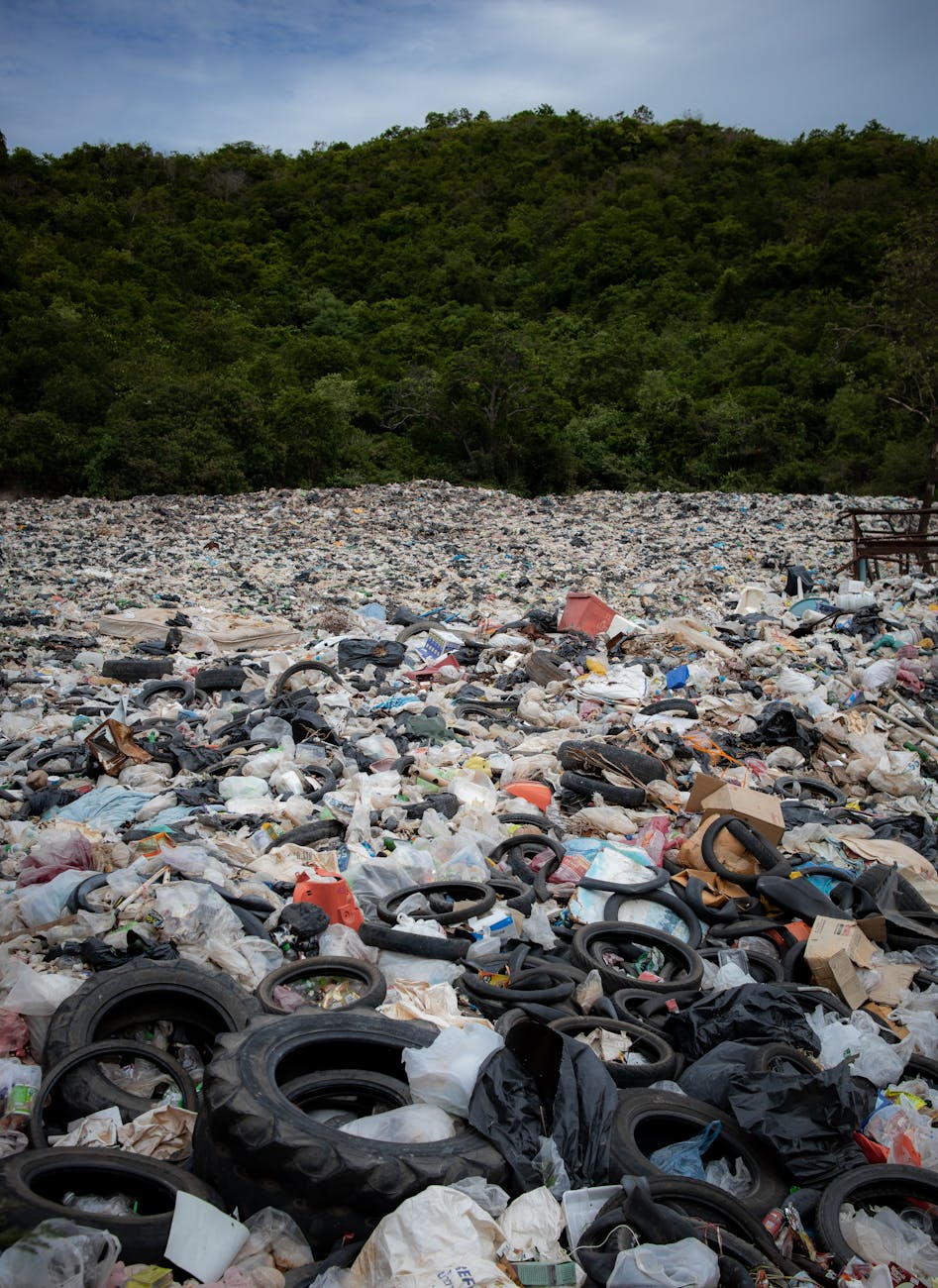
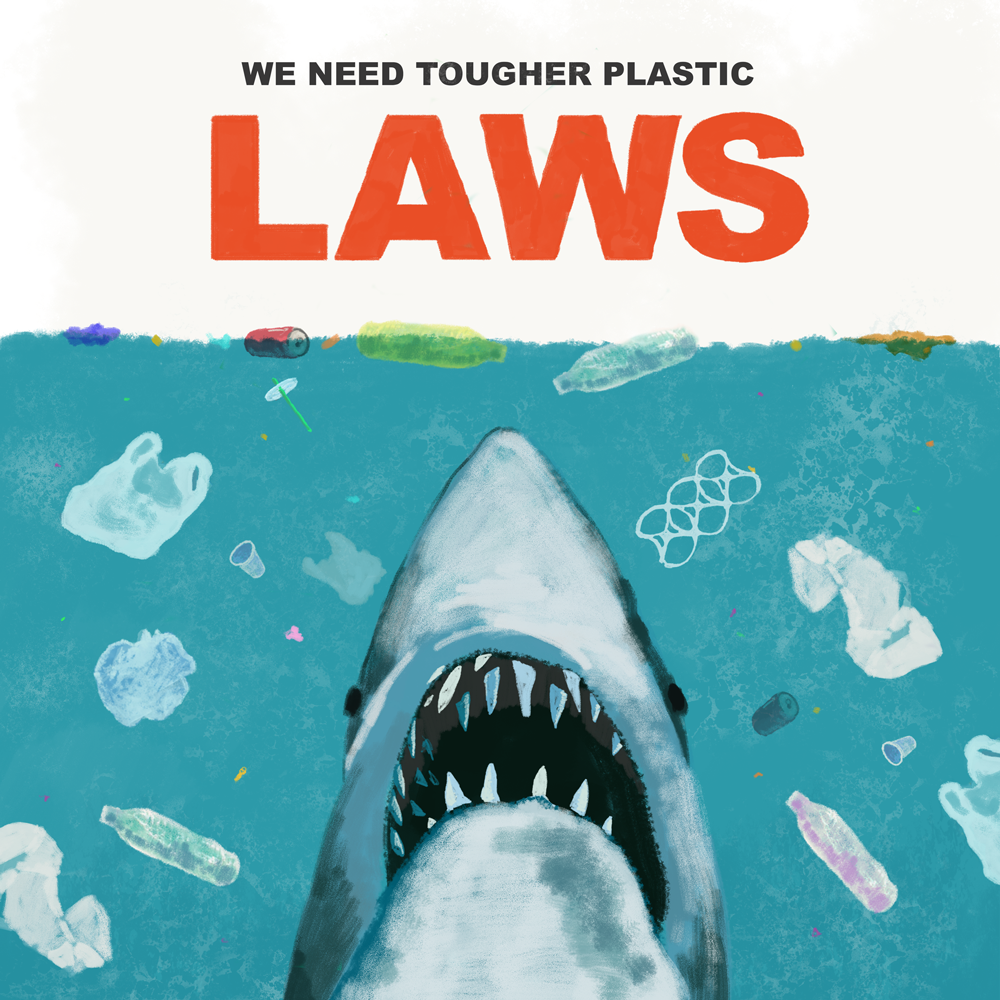

 Nullius in Verba